Body Recomposition: What the Evidence Can and Cannot Promise
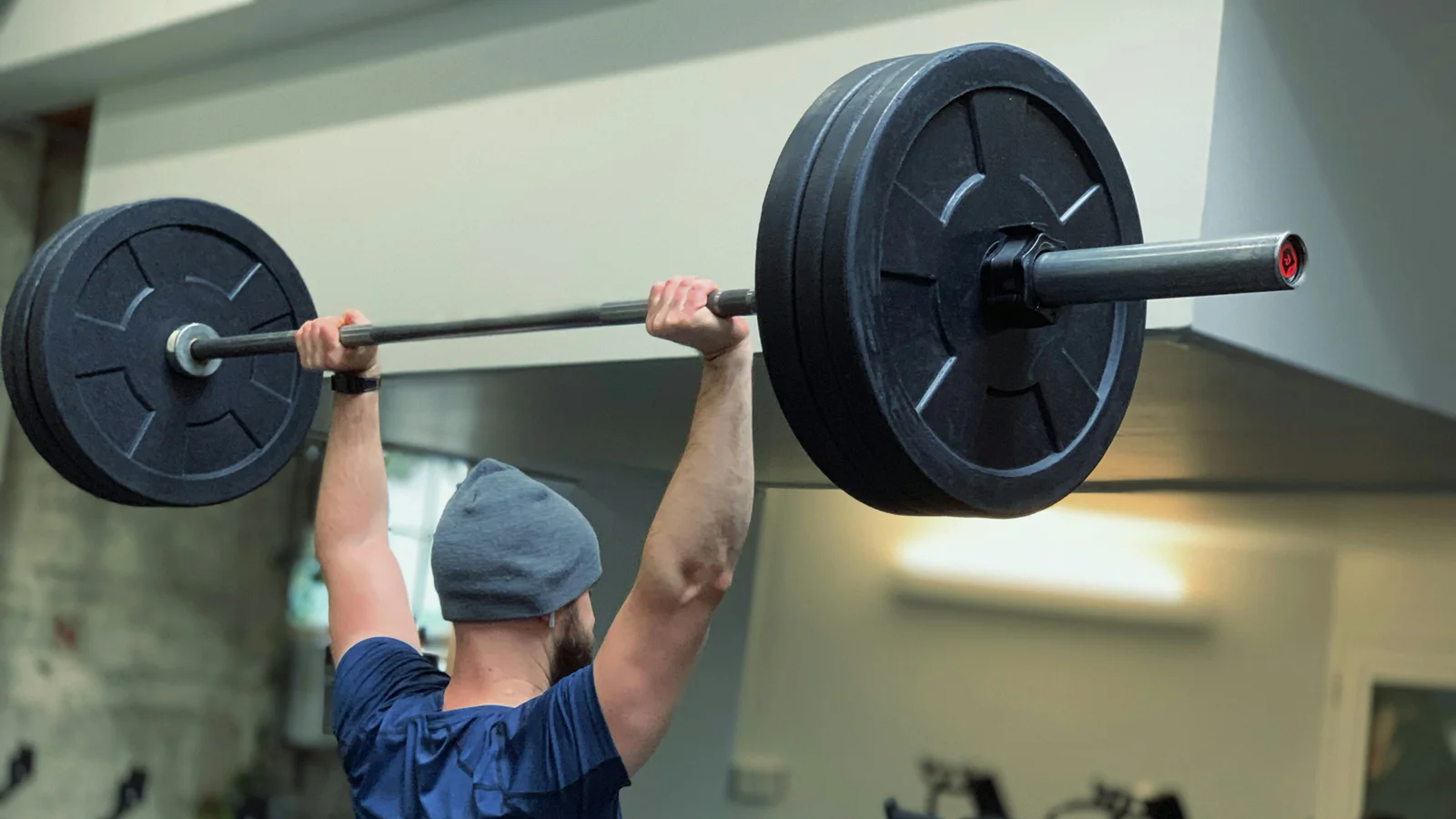
Image: Cyan Cooper / Unsplash
Evidence check: 27 July 2026. This article does not promise a body-composition result or timeline.
Body recomposition usually means reducing fat mass while maintaining or increasing lean mass. Research shows that this can occur under some conditions, but “recomposition” is not one standardized program and is not guaranteed.
What a primary trial can—and cannot—show
In a four-week randomized trial of young men undergoing a substantial energy deficit and intensive exercise, the group assigned higher protein lost more fat and gained more lean mass than the comparison group. Read the primary study on protein intake during marked energy deficit.
That result is evidence that simultaneous changes can occur in that studied setting. It is not proof that every adult should copy the diet, training load, protein intake, or four-week timeline.
Another randomized trial studied time-restricted eating with concurrent training in adults with overweight or obesity. It provides evidence about that population and protocol, not a universal “fastest” method.
The practical components
Resistance training
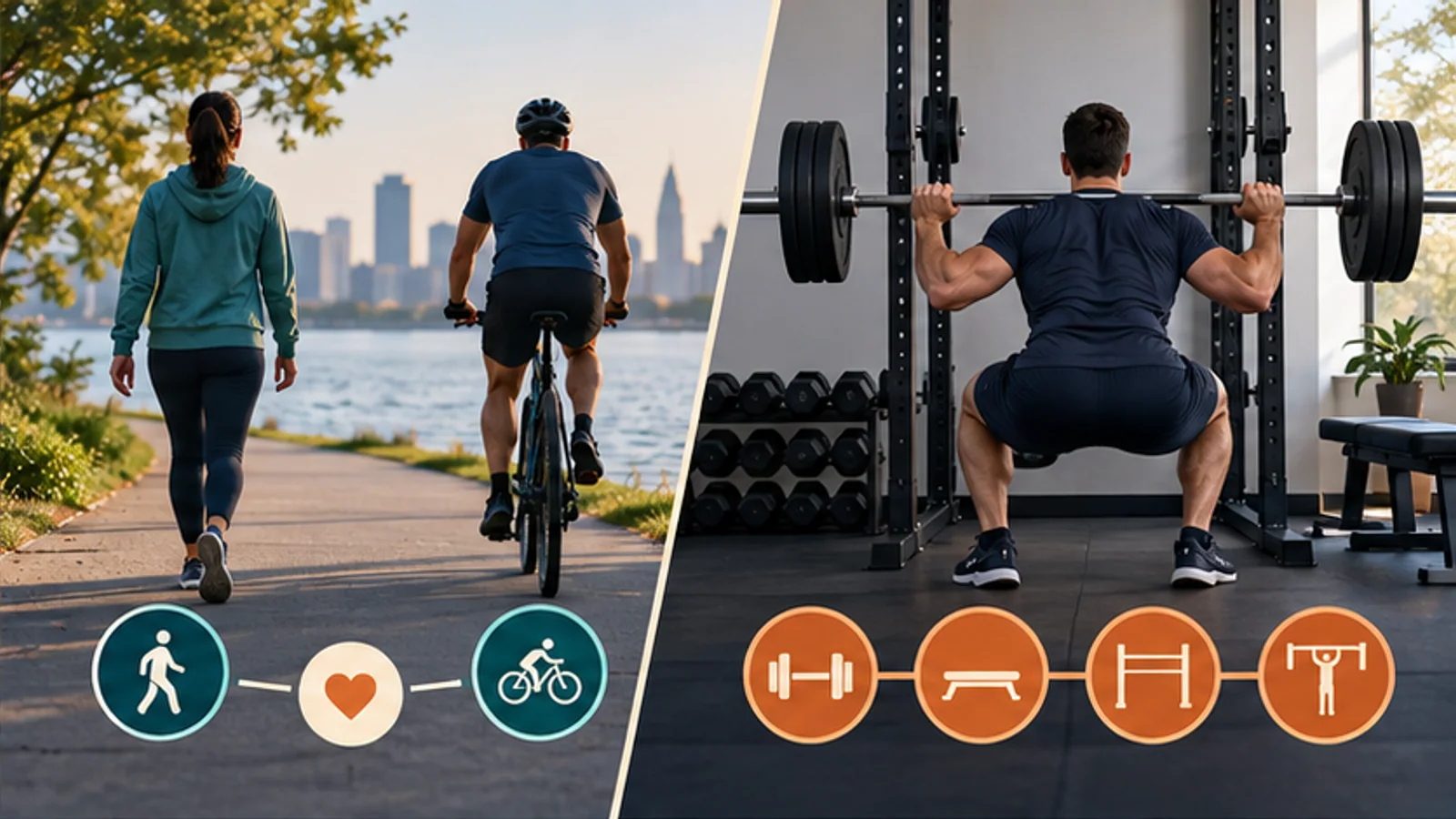
Use a progressive program appropriate to current capacity. The U.S. Physical Activity Guidelines recommend muscle-strengthening activity for all major muscle groups on at least two days per week as a public-health baseline.
More days are not automatically better. Technique, recoverable work, and consistency matter.
Energy intake
Fat loss generally requires energy expenditure to exceed intake over time, but a severe deficit can make training and lean-mass retention harder. This article does not set a calorie target. Medication, pregnancy, eating-disorder history, age, and medical conditions can materially change what is appropriate.
Protein
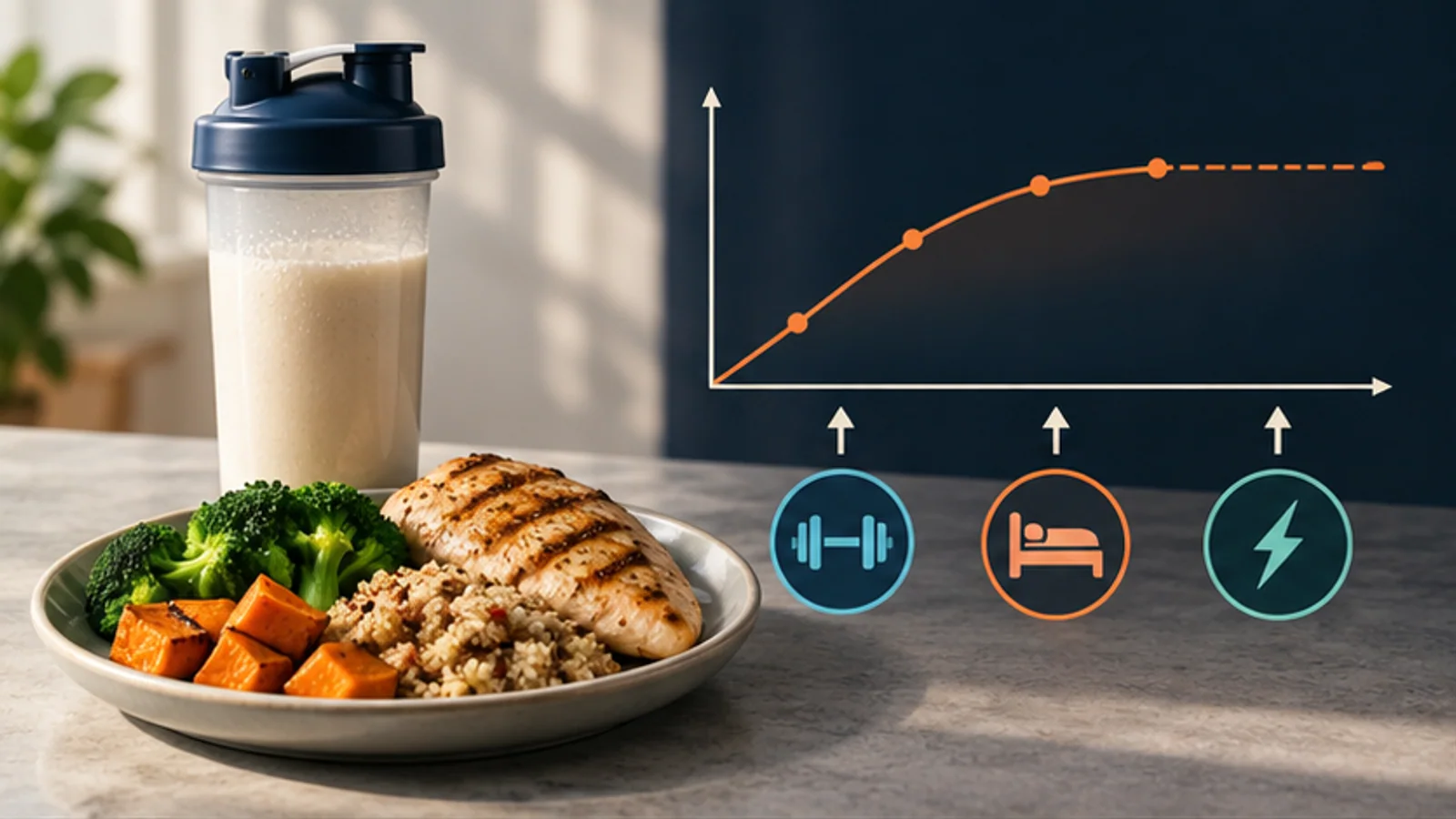
The NIH Office of Dietary Supplements summarizes athlete protein guidance and notes that needs can differ with training and energy restriction. Use the current NIH exercise-performance fact sheet rather than treating one internet range as a prescription.
Sleep
Sleep is relevant to recovery, but a sleep “score” is not a recomposition guarantee. Primary studies have examined sleep education alongside resistance training and the effect of sleep restriction on muscle protein synthesis. Each has a specific population and protocol.
Track change without pretending the measurement is perfect
Use several repeatable measures rather than one day’s scale weight:
- body weight under similar conditions;
- waist or other circumference measured consistently;
- repeat photographs under similar conditions, if useful;
- training performance;
- how clothing fits;
- a professional body-composition measure, when appropriate.
Hydration, food, glycogen, time of day, equipment, and operator technique can affect measurements. Look for patterns and record the method.
Avoid universal timelines
The evidence does not support promising that visible change will occur by a fixed week for every person. Training history, starting body composition, age, sex, sleep, energy intake, health, medication, adherence, and measurement method can all influence outcomes.
A better review point asks:
- Was the plan followed safely?
- Is strength stable or improving?
- Are repeated measurements moving in the intended direction?
- Are hunger, fatigue, mood, sleep, or performance deteriorating?
- Does the plan need clinical or coaching review?
When to obtain help
Seek qualified medical or dietetic guidance before intentional weight change when pregnant, under 18, managing kidney or metabolic disease, taking relevant medication, recovering from illness, or living with an eating disorder. Stop and obtain appropriate care for concerning symptoms.
Key takeaway
Recomposition is a possible observed outcome, not a deadline or marketing guarantee. Use appropriate resistance training, contextual nutrition, adequate recovery, and consistent measurement.
General health and fitness education only, not medical care, nutrition therapy, or individualized programming.
body recompositionmuscle buildingfat lossstrength trainingnutrition