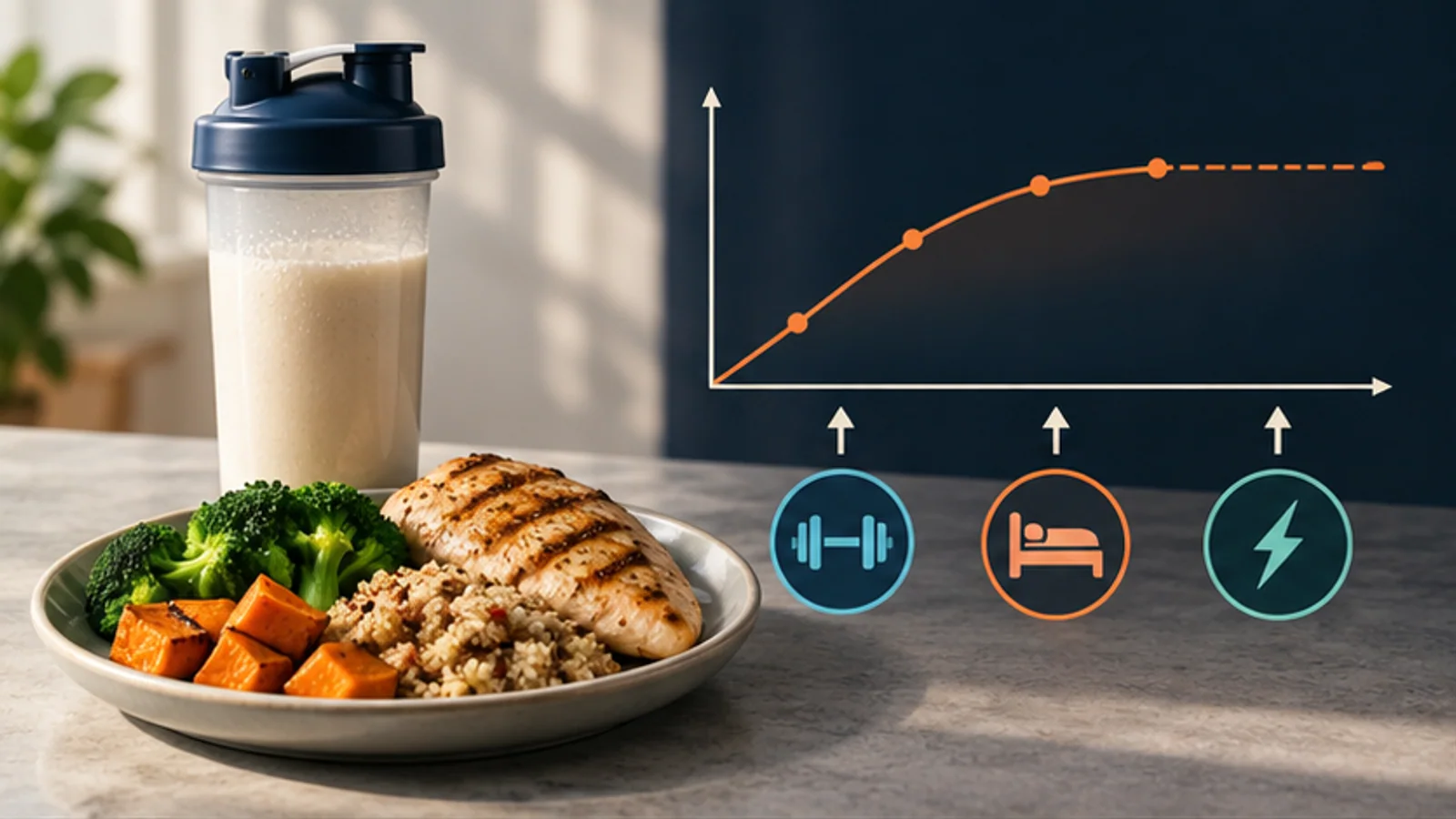
Your Workout Split Is Probably Not the Problem
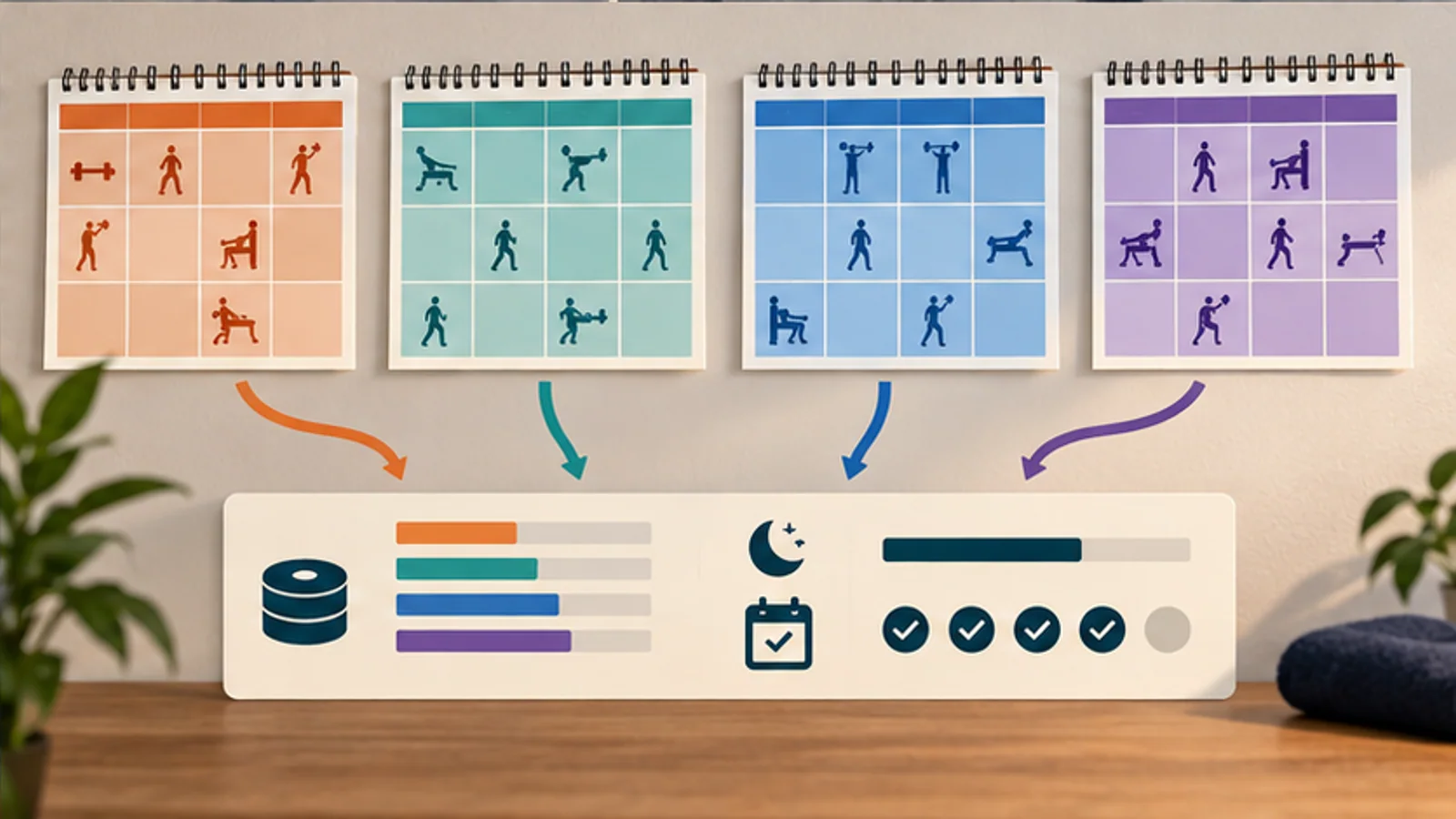
Image: NYBod
Fitness arguments treat workout splits like religions. One camp declares that every muscle needs twice-weekly exposure. Another points to athletes who grew on a classic once-weekly “bro split.” The disagreement often compares labels while ignoring the work performed inside them.
Frequency and volume are tangled
An earlier meta-analysis found better hypertrophy outcomes when muscle groups were trained twice rather than once weekly. A later review with more studies concluded that frequency did not meaningfully change hypertrophy when weekly training volume was equated.
Those findings are not as contradictory as social media makes them sound. Training more often can help people perform more quality weekly sets. When the same work is redistributed across days, the split itself may matter less.
A 2026 dose-response meta-regression continued examining weekly volume and frequency rather than declaring one universal schedule. That is the right frame: the variables interact.
What a split is actually for
A split should solve four problems:
- fit training into the available week;
- distribute sets before fatigue wrecks technique;
- allow recovery before the next hard exposure;
- make attendance boringly repeatable.
If a six-day program is perfect on paper and completed three days per week, it is not a six-day program. A three-day full-body plan performed consistently can deliver more actual training.
A practical selection rule
- Two days: full body both days.
- Three days: full body or rotating upper/lower.
- Four days: upper/lower is easy to distribute.
- Five or six days: useful when shorter sessions and higher weekly workloads are sustainable.
These are starting shapes, not physiological laws. Injury history, exercise selection, age, sleep, sport practice, and preference change the answer.
The spicy metric nobody posts
Count completed hard sets across four weeks, not planned sets in a screenshot. Record performance, soreness, pain, sleep, and whether later sets become junk. If progress stalls, adjust one variable at a time.
Changing the split every time an influencer changes theirs destroys the data needed to judge a program.
Sources and limits
- PubMed: 2019 frequency meta-analysis
- PubMed: 2026 resistance-training dose-response meta-regression
- U.S. Physical Activity Guidelines
Research averages do not diagnose injury or prescribe an individual program. People with medical conditions or pain should seek qualified guidance.
Key takeaway
The split is a calendar for productive work. Match weekly volume, effort, and recovery to a schedule you can actually complete before arguing about its name.
training splithypertrophyweekly volumeresistance training